Early Childhood Literacy? How about from birth?

18READING-tmagArticle

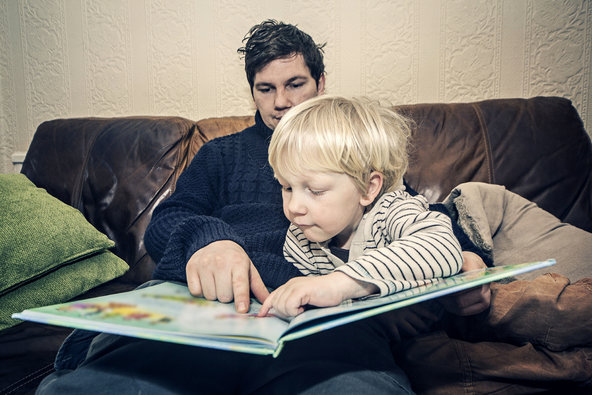
My own memories of books as a young child revolve around visits to the local public library and the concept of choosing a book. When I was a little older, I remember my grandfather reaching high up on his shelf and pulling down an early edition Winnie the Pooh, with one of my aunt’s name’s on the inside front cover. A school teacher at St. Bernard’s in Manhattan, my grandfather made ceremony and ritual out of the choice of the book. And I loved it (and him). When my own children were little, books like Goodnight, Moon, If You Give a Mouse a Cookie and the Paddington series were bedtime favorites. The concept of literacy from birth is a pretty potent one…

bedtime stories for young brains from the WELL blog at NY Times

Posted in academic excellence in elementary schools, childhood development, education | Tagged , , , | 1 Comment

Great opening day advice; thanks Jon Eckert!

This is a great reminder of why we do what we do. This Op Ed from August 2013 is timely. At Seven Hills School, Jon Eckert would be very happy indeed with his children’s experience!

backward design? check

make them work hard and play hard? check

love my child? check

A Parent’s Letter: What I Want From My Kids’ Teachers

By Jon Eckert

Dear teachers,

My youngest of three starts kindergarten tomorrow.

Meanwhile, my older son and daughter are campaigning to influence their little sister’s opinion. Will she love school, as her big sister hopes, or dread school, like her brother?

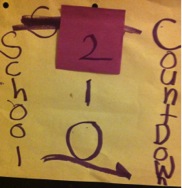
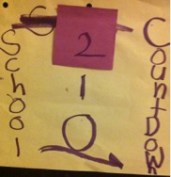
At right is the countdown that my 7-year-old daughter has been keeping for the past 27 days. It is a countdown to her nirvana: the beginning of 2nd grade. But for my 5th grade son, it is a countdown to impending doom: the end of summer’s freedom.

I am writing to you with the hope that my 2nd grade daughter will win this school debate—and that all my kids will love learning, even if they won’t all admit it.

As a parent and a teacher, I ask you to do three things this year. (And just so I don’t seem like I only care about my own children, I want you to know I’ll be sharing the same advice with the 33 student-teachers I will have in class tonight. They, too, have their first day with students tomorrow.)

Start with the last day of school in mind.

On June 4, 2014, how will my kids have become better versions of themselves because of the hours you will have spent together? How will they have grown as students and human beings? Who will they be, test scores aside? What will they tell me about their year with you? What will you tell me about their year with you?

I want to know what you hope for my kids, and I need you to want to know what I hope as well, so we can work together.

(For the record, I hope my kindergartner will sound like her older sister when she explains she didn’t hear the fire alarm because she was under “the reading spell.” Or like my son when he tells me more facts about the mako shark than any one mind should be able to hold.)

Make my kids work hard.

One of the reasons my 2nd grader loves school is that she has to work hard there every day. When it comes to my preferences about my kids’ learning, memorization and handwriting are not at the top of the list. I want my kids to learn how to work: to move from frustration to well-earned understanding, to struggle and persevere.

In order for that to happen, my kids need a safe environment facilitated by expert teachers. They need plenty of opportunities to fail, learn from that failure, and try again.

That expert teacher must also be willing to fail. After all, no one grows as an expert without risking failure or taking on new challenges. (I hope that my daughter’s kindergarten teacher will be encouraged by having witnessed my mistakes when she was my student.)

I love it when I hear my son complaining about his reading teacher with comments like, “She always makes us write about everything. It is reading, and all we do is write.” In my eyes, this is high praise from a 10-year-old boy.

Love my kids.

This may sound trite and cliché, but isn’t this what every parent wants? Love them in spite of their shortcomings, bad handwriting, and their maddening refusal to add supporting details to expository essays. Love them in spite of their crazy parents.

Keep pushing them, and don’t give up. While my son is a self-avowed school hater, I’ve witnessed his end-of-year tears after goodbyes to teachers.

Finally, thanks for all you do.

You have a daunting task, a tremendous responsibility, and an unbelievable opportunity to shape and mold our children—my kids and a lot of other people’s too.

For the past 17 years, Jon Eckert has taught elementary school, middle school, and college students in addition to serving as a Teaching Ambassador Fellow at the U.S. Department of Education in both the Bush and Obama administrations. He is now a professor at Wheaton College in Illinois and a member of the CTQ Collaboratory.Image
Posted in 21st Century Skills, childhood development, education, parenting 2013 | Tagged , , , | Leave a comment

Great TIME column on parenting teens…

Unknown

This column in TIME magazine is always one where I find useful, relevant, humorous information. I have commented on this writer before. She is fantastic! Since I myself am the parent of two twenty somethings and a teen, I, too, have been indoctrinated into waze by my children. A parenting app? That would be something.

The Waze and Means of Parenting by Kristin van Outgrip

Posted in Uncategorized | Leave a comment

Advice for Parents re: Happiness

cover225x225

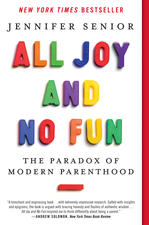
What I like about this TED Talk by Jennifer Senior is that she reminds us that Happiness is not a permanent or natural state. Her work is connected in some ways to things I have heard Dr. Rick Weissbourd say in his many lectures about parenting and in his work with the Harvard Study on Caring Schools.

TED Talk, Jennifer Senior

Posted in 21st Century Skills, academic excellence in elementary schools, adult development, childhood development, Uncategorized | Tagged , , | Leave a comment

How ought we to live our lives?

02REFLECT-master675

Great read in the Education Section of the New York Times last Sunday. I had the privilege of listening to Professor Light at Harvard last fall. He is funny and insightful!  Richard Light

These are simple, easy to follow exercises. There is something here for all of us, not just college freshmen!

Harvard’s optional Freshman Seminar: How to Live Wisely

Posted in Uncategorized | Leave a comment

Interesting book: How to Raise an Adult by Julie Lythcott-Haims

21-Havrilesky-blog427-v3

Thanks to Rhys Miller for this great book suggestion.

From the review by Heather Havrilesky:  In this anxious age, the future will always trump the present. But even if “How to Raise an Adult” gets thrown onto a growing pile of books for worried, upper-­middle-class parents and is summarily forgotten, Lythcott-Haims’s central message remains worthwhile:When parents laugh and enjoy the moment but also teach the satisfaction of hard work, when they listen closely but also give their children space to become who they are, they wind up with kids who know how to work hard, solve problems and savor the moment, too. In other words, get a life, and your child just might do the same someday.

How to Raise an Adult, book review

Posted in Julie Lythcott-Haims | Tagged , , | Leave a comment

The importance of kindergarten and early practice at social-emotional learning!

socialcompetence

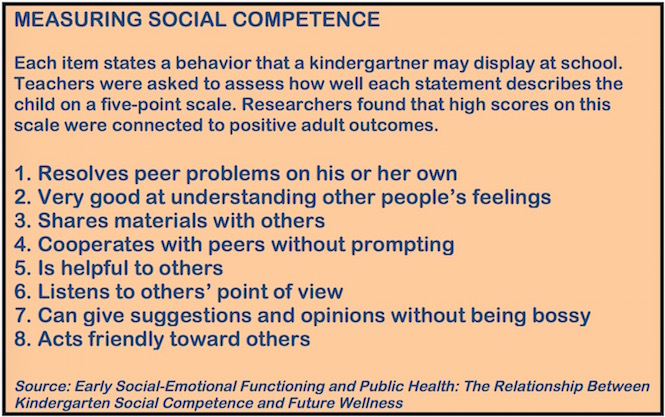
This Edweek blogpost has some great information about the role of social emotional learning in the early years and how they link to the levels of social competence in adulthood . Fascinating reading! Given the importance accorded to social emotional learning in all grade levels at Seven Hills School, our students are well poised for successful outcomes as they move through our program. Read on…

kindergarten matters!!

There are also great resources through Marc Brackett at Yale University and the Center for Emotional Intelligence.

Marc Brackett at Yale University Center for Emotional Intelligence

Posted in academic excellence in elementary schools, childhood development | Tagged , , , | Leave a comment

Working Mother Guilt?

MomKidHands

There has been a lot of attention to this (relatively) new Harvard study on the impact of working mothers on their children, and specifically on their daughters. There is also a respite, at least for now, from the worry about whether working mothers have negatively impacted development. This parenting thing is complicated…

Harvard Study on Working Mothers shows benefits for daughters…

KQED recorded interview with authors of Harvard study

Posted in 21st Century Skills, academic excellence in elementary schools, adult development, childhood development, education | Tagged , , | Leave a comment

Anna Deveare Smith interview on KQED

ADS2-1400x1337

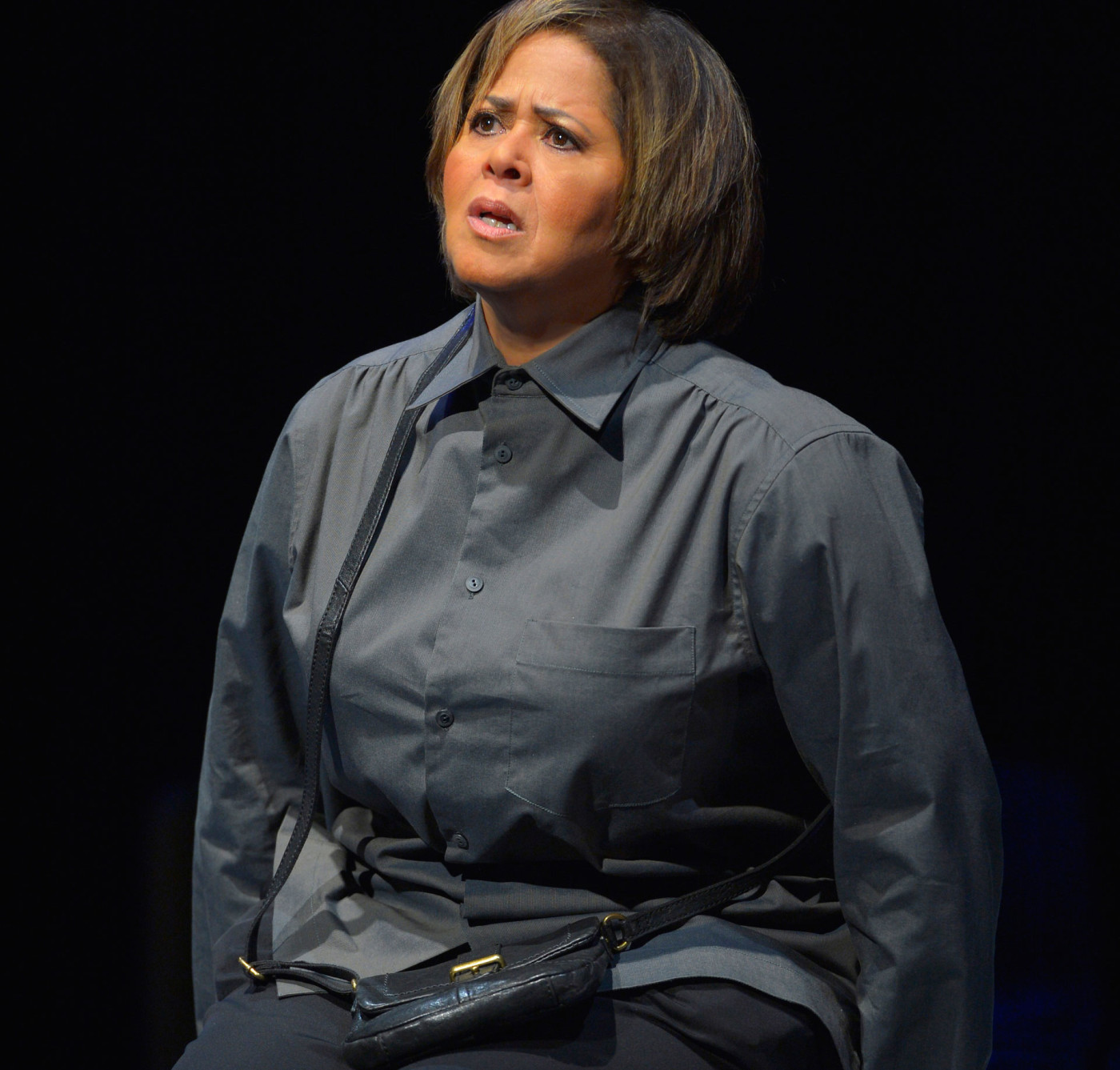
I had never heard the term documentary theatre before, but this show is definitely that. Having just seen it the other night, I was blown away by this one woman (and one musician) show. Both performers were excellent, but it is clear that for Anna devour Smith, this is a vocation. She did an amazing job with her many impersonations. And her call to action leaves each audience member feeling a sense of obligation to do something.

Anna Deveare Smith at the Berkeley Rep: School to Prison Pipeline

Posted in academic excellence in elementary schools, adult development, childhood development, documentary theatre, education, reform, theatre | Tagged , , , | Leave a comment

As we gear up for a new school year, I find this post is helpful to me, as an educator AND as a parent…

motherlode-success2-tmagArticle-v2

There is no denying, in the world of a 24 hour news cycle and social media opinions everywhere, that the ability to doubt one’s own parenting skills is never ending. I love this piece in the Motherlode blog because it helps us hold up a mirror for ourselves: we have seen the enemy and it is us!

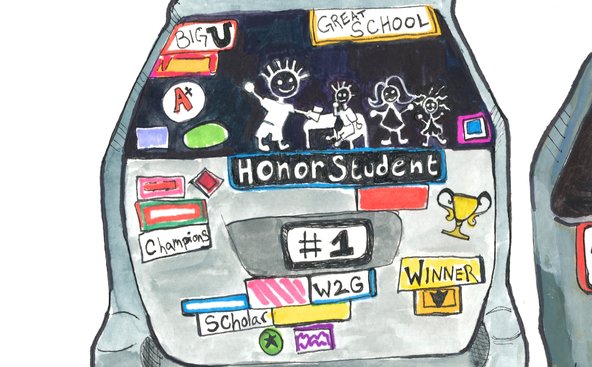
My parents were by no means perfect, as people or as parents. But they were not driving around with bumper stickers on their car worried about what people thought about whether we were honors students or what school we went to. I need to remember for myself and to remind us all that we need to put blinders on and just focus on the journey for each child. Is this the right fit? Is he/she thriving? Can they ask for what they need? The rest is just window dressing. Thanks,  for the reminders!

Motherlode: helping parents stop hovering?

Posted in 21st Century Skills, academic excellence in elementary schools, adult development, childhood development | Tagged , , , , | Leave a comment